Research
Research Interest
My research explores how climate, fire, vegetation, and carbon cycling have interacted over the Holocene using organic geochemical proxies preserved in lake sediments and peatlands. By integrating biomarker analyses, paleoecological records, and paleoclimate reconstructions, I aim to improve the interpretation of molecular paleofire proxies, understand ecosystem responses to environmental change, and develop new approaches for reconstructing Earth’s fire history.
Performance Assessment of PAH Fire Proxies
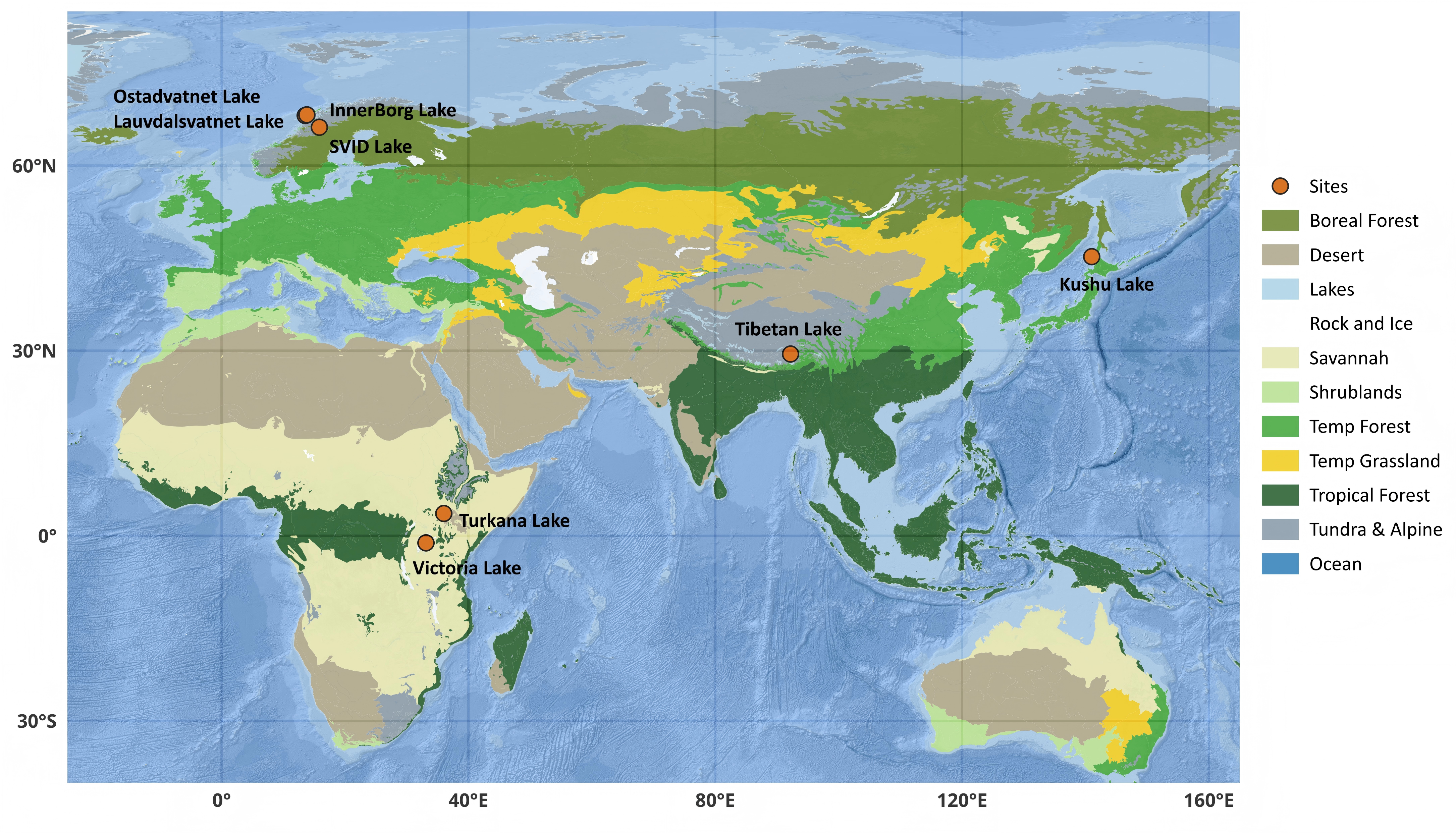
Global study-site map.
Polycyclic aromatic hydrocarbons (PAHs) are among the most widely used molecular proxies for reconstructing past fire activity. However, their performance can vary considerably across different climatic regions, vegetation types, and depositional environments. This project evaluates the reliability and environmental sensitivity of commonly used PAH fire proxies using sedimentary records spanning diverse ecosystems.
Climate–Fire–Ecosystem Interactions and Peatland Carbon Cycling
Peatlands preserve continuous records of ecosystem development while representing one of Earth’s largest long-term terrestrial carbon reservoirs. Understanding how climate change influences wildfire, vegetation succession, and peatland development is essential for predicting future carbon-cycle responses.This research reconstructs long-term interactions among climate, fire, vegetation, and peatland development using multiple organic geochemical and paleoecological proxies.
Study Sites
• Tannersville Bog, Pennsylvania, USA
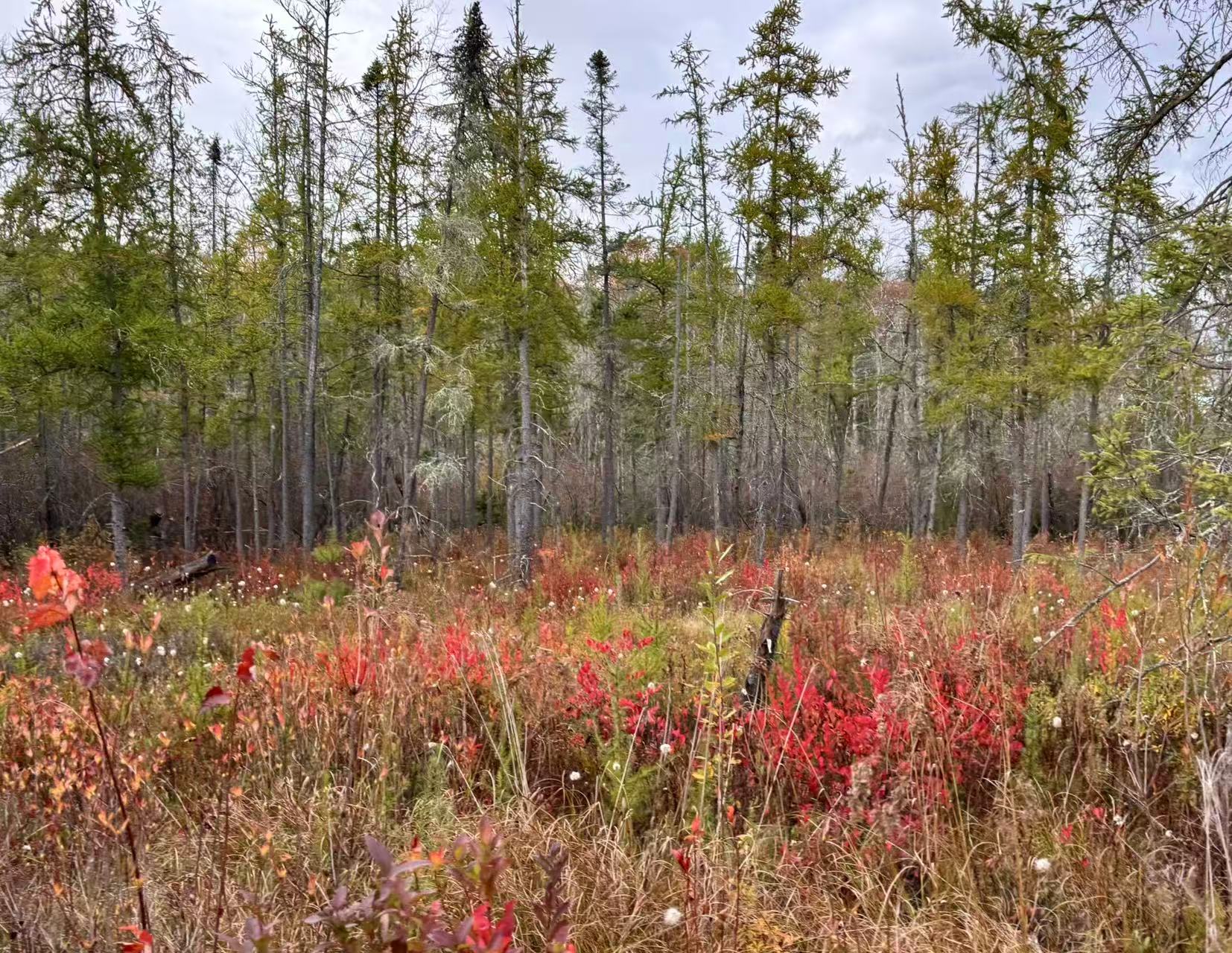
Field work in Oct/22/2025.
• Browns Pond, Alabama, USA
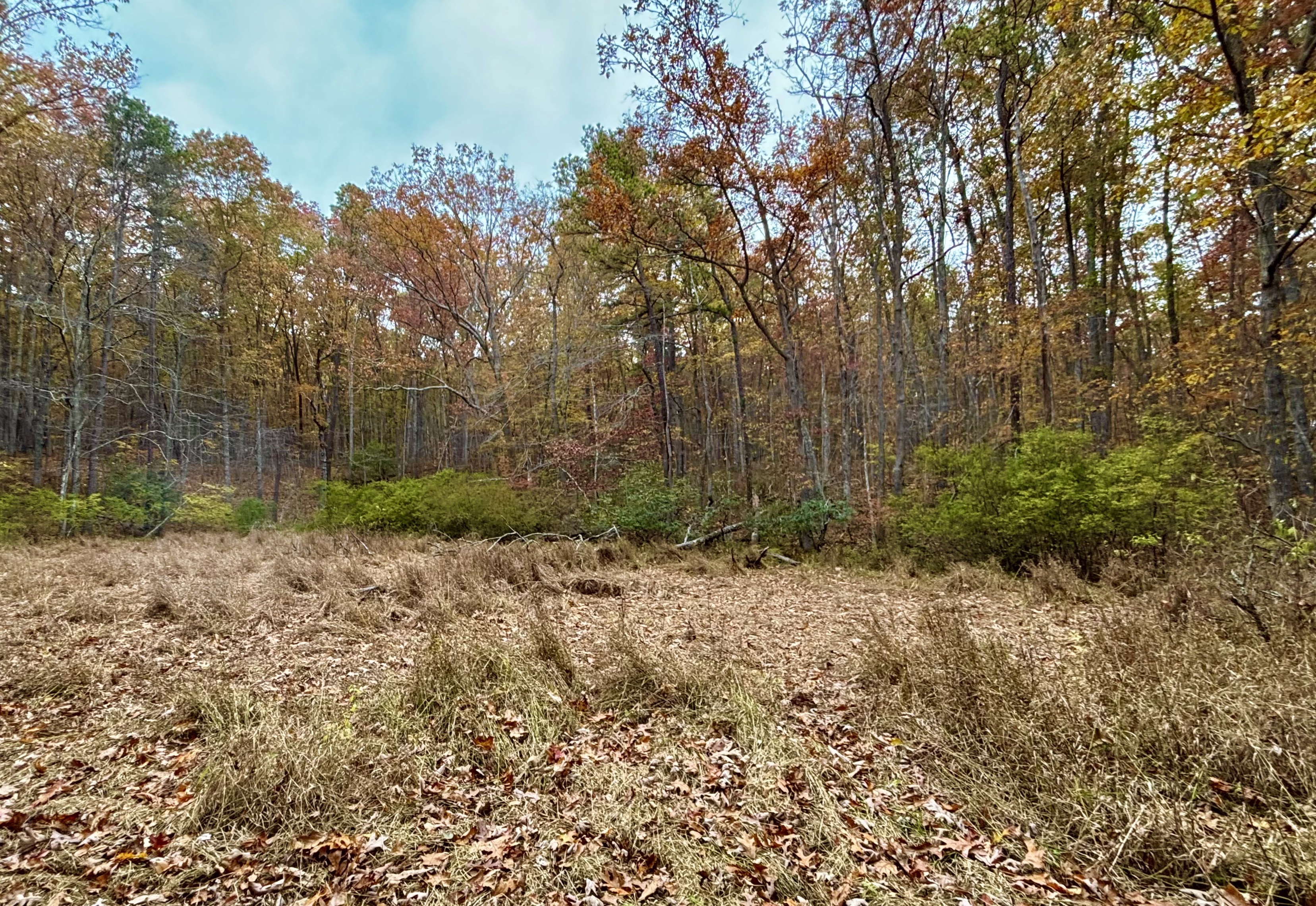
Field work in Oct/26/2025.
Next-Generation Molecular Fire Proxies
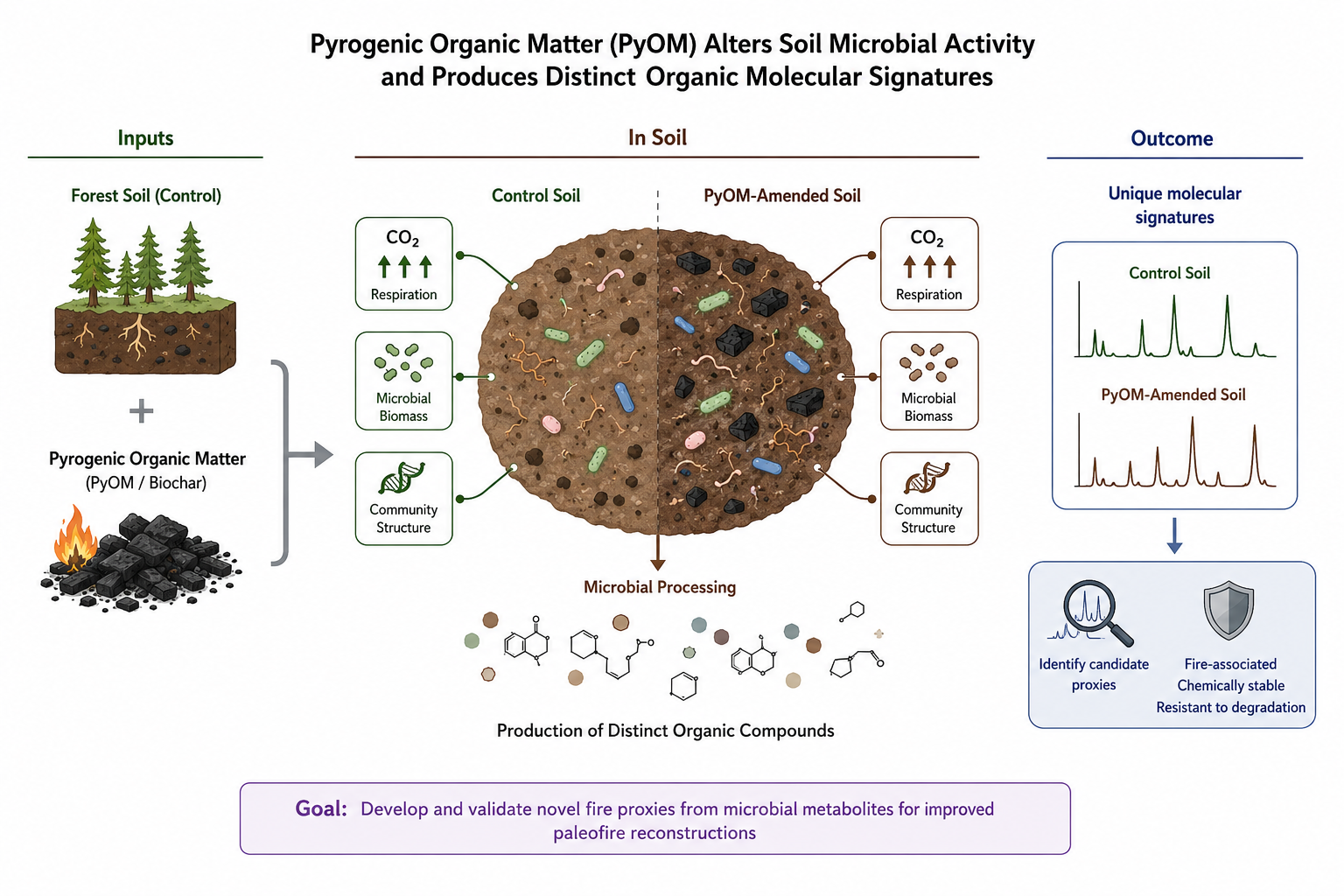
Conceptual framework for novel-fire-proxy-development project
Reliable reconstructions of past wildfire require molecular indicators that are both environmentally robust and well preserved in sedimentary archives. While existing biomarkers have significantly advanced paleofire research, additional molecular proxies may further improve our ability to reconstruct past fire activity and ecosystem responses. This project aims to identify new molecular indicators that complement existing paleofire proxies and enhance future reconstructions of wildfire history.
Research Themes
🔥 Paleofire
- Fire reconstruction
- Fire regimes
- Biomarker interpretation
🌿 Ecosystems
- Vegetation dynamics
- Peatland development
- Carbon cycling
🧪 Organic Geochemistry
- PAHs
- Plant-wax biomarkers
- Novel molecular proxies